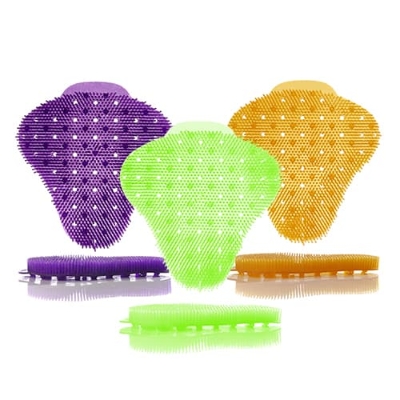
In the ever-evolving landscape of hygiene and sustainability, even the most unassuming products are undergoing a transformation. The humble urinal screen, a staple in public restrooms, is no exception. A shift towards biodegradable alternatives is gaining momentum, driven by a growing awareness of environmental impact and a desire for responsible waste management. Among the pioneers in this field, the Edge and Ekcos ranges stand out, offering a compelling blend of functionality, fragrance, and eco-consciousness.
The traditional urinal screen, often constructed from non-biodegradable plastics, poses a significant environmental challenge. Discarded screens contribute to landfill waste, persisting for centuries and potentially releasing harmful microplastics into the ecosystem. This realization has sparked a fervent search for sustainable alternatives, leading to the development of biodegradable urinal screens crafted from natural, renewable resources. These screens are designed to break down naturally over time, minimizing their environmental footprint and aligning with the principles of a circular economy.
The Edge and Ekcos ranges represent a significant leap forward in this domain. These screens are meticulously engineered to deliver the essential functions of a traditional urinal screen – preventing debris from clogging drains and neutralizing unpleasant odors – while adhering to stringent sustainability standards. The key to their eco-friendliness lies in their composition. They are typically made from plant-based materials, such as sugarcane, corn starch, or other renewable resources, which are carefully processed to create a durable and effective product.
A defining feature of the Edge and Ekcos ranges is their versatility in lifespan. They cater to diverse needs with options offering 30-day and 60-day durations. The 30-day screens are ideal for high-traffic environments where frequent replacements are necessary, ensuring optimal hygiene and fragrance intensity. The 60-day screens, on the other hand, are designed for lower-traffic settings, offering extended performance and reducing the frequency of replacements, further contributing to resource conservation.
Beyond their functional attributes, the Edge and Ekcos screens elevate the restroom experience with a carefully curated selection of fragrances. These fragrances are not merely masking agents; they are designed to neutralize malodors at their source, creating a fresh and inviting atmosphere. From crisp citrus notes to soothing floral bouquets, the fragrance options cater to a wide range of preferences, transforming the restroom into a more pleasant and welcoming space. The integration of fragrance into the screen's design is a testament to the attention to detail that characterizes these products. The slow-release technology ensures a consistent and long-lasting fragrance experience throughout the screen's lifespan.
Proper usage is crucial to maximizing the benefits of these biodegradable urinal screens. Installation is straightforward, requiring no specialized tools or expertise. The screens are designed to fit most standard urinals, ensuring compatibility across various restroom configurations. Placement is key: the screen should be positioned centrally within the urinal, allowing for optimal contact with urine flow. This ensures that the enzymes and fragrance are effectively distributed, neutralizing odors and preventing drain blockages. Regular cleaning of the urinal itself is also essential to maintain a hygienic environment.
The versatility of the Edge and Ekcos ranges extends to their applicability in a wide array of settings. Public restrooms in commercial buildings, educational institutions, healthcare facilities, and transportation hubs all benefit from the hygienic and odor-controlling properties of these screens. Sports stadiums, entertainment venues, and restaurants, with their high-volume usage, find the 30-day options particularly advantageous. Even in less frequented restrooms within offices or smaller establishments, the 60-day screens provide a long-lasting and sustainable solution.
The sustainability aspect of these biodegradable urinal screens is paramount. The shift away from traditional plastic screens represents a significant step towards reducing environmental impact. The use of renewable resources minimizes reliance on fossil fuels and reduces greenhouse gas emissions associated with plastic production. The biodegradability of the screens ensures that they break down naturally in composting facilities or landfill environments, minimizing waste accumulation and reducing the risk of microplastic pollution.
The journey towards sustainability extends beyond the product itself. Responsible manufacturing practices are essential. Companies producing biodegradable urinal screens often prioritize energy efficiency, water conservation, and waste reduction in their production processes. The use of eco-friendly packaging, such as recycled cardboard or biodegradable films, further reinforces their commitment to environmental stewardship.
The benefits of biodegradable urinal screens extend beyond environmental considerations. They also contribute to improved hygiene and user experience. The effective odor neutralization and drain protection provided by these screens create a more pleasant and sanitary restroom environment. This can enhance the overall perception of a facility, reflecting positively on its commitment to cleanliness and visitor comfort.
The adoption of biodegradable urinal screens aligns with broader sustainability initiatives aimed at reducing waste and promoting a circular economy. By choosing these eco-friendly alternatives, businesses and institutions can demonstrate their commitment to environmental responsibility and contribute to a more sustainable future. The shift towards biodegradable products is not merely a trend; it is a fundamental change in mindset, reflecting a growing awareness of the interconnectedness between human activities and the environment.
The development of biodegradable urinal screens represents a significant advancement in hygiene technology. The Edge and Ekcos ranges, with their diverse lifespan options, captivating fragrances, and unwavering commitment to sustainability, exemplify this progress. These screens offer a practical and eco-conscious solution for maintaining clean and fresh restrooms, while minimizing environmental impact. The transition to biodegradable alternatives is a testament to the power of innovation and the collective desire to create a more sustainable and responsible future.
The selection of materials for these screens is critical to their biodegradability and functionality. The plant-based polymers used are chosen for their ability to break down naturally in various environmental conditions. These materials are often derived from agricultural byproducts, such as sugarcane bagasse or corn starch, further contributing to resource efficiency and reducing waste. The processing of these materials is carefully controlled to ensure that the final product meets the required performance standards while maintaining its biodegradability.
The design of the screens themselves is also a key factor in their effectiveness. The open grid structure allows for efficient drainage, preventing urine from pooling and minimizing the risk of drain blockages. The incorporation of enzymes into the screen's matrix further enhances its odor-neutralizing capabilities. These enzymes break down the organic compounds in urine that cause unpleasant odors, providing a long-lasting and effective solution.
The integration of fragrance into the screens is a delicate balance between olfactory appeal and environmental considerations. The fragrances used are carefully selected for their compatibility with the biodegradable materials and their ability to neutralize malodors without introducing harmful chemicals into the environment. The slow-release technology ensures that the fragrance is dispensed gradually over the screen's lifespan, providing a consistent and pleasant aroma.
The adoption of biodegradable urinal screens is not without its challenges. Cost considerations and availability can sometimes pose obstacles to widespread adoption. However, as awareness of the environmental benefits grows and production scales up, the cost of these screens is expected to become more competitive. Furthermore, increased demand will incentivize manufacturers to expand their production capacity, making these sustainable alternatives more readily available.
The future of urinal screen technology lies in continued innovation and a steadfast commitment to sustainability. As research and development efforts progress, we can expect to see even more advanced biodegradable materials and designs. The integration of smart technologies, such as sensors that monitor usage and trigger automated fragrance dispensing, could further enhance the functionality and efficiency of these products.
The journey towards sustainable hygiene solutions is an ongoing process. The adoption of biodegradable urinal screens is a significant step in the right direction, demonstrating that even seemingly small changes can have a substantial impact on the environment. The Edge and Ekcos ranges, with their blend of functionality, fragrance, and eco-consciousness, are leading the way in this quiet revolution, transforming the humble urinal screen into a symbol of environmental responsibility. The focus is always to improve the user experience while reducing environmental impact.
Biodegradable Urinal Screens