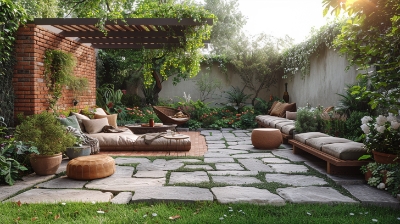
When it comes to patio paving, sandstone and limestone are top contenders, especially here in Ireland, where durability and beauty are essential. Both stones are great for creating stunning outdoor spaces that can withstand our famously wet weather, but they each have their own unique traits that might make one a better fit for your project.
The Basics: What Sets Sandstone and Limestone Apart?
- Sandstone is formed over millions of years from compacted sand, often resulting in vibrant, warm colours like reds, yellows, and oranges. Its naturally textured surface isn’t just eye-catching; it also provides great slip resistance, making it a practical choice for patios and garden paths.
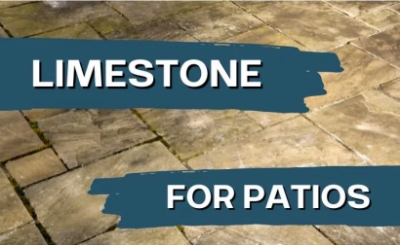
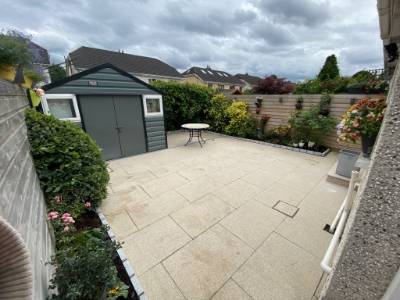
- Limestone, on the other hand, is created from the compressed remains of marine life like coral and shellfish. This gives it a smoother feel and a more muted colour palette, with shades ranging from creamy whites to soft greys. If you’re after a more uniform, elegant look, limestone might be just the thing.
How Do They Compare on Cost?
Limestone generally tends to be a bit easier on the wallet compared to sandstone. However, prices can vary depending on the quality and finish you’re after, with premium options for both stones costing around €110 to €130 per square meter.
Looks Matter: Visual Differences
- Limestone offers a clean, consistent look with soft, neutral tones that work beautifully in modern, minimalist spaces.
- Sandstone brings more character, with each slab offering unique patterns and colours that range from earthy to vibrant. It’s perfect if you’re aiming for a rustic, cozy vibe.
Weather Resistance: Who Holds Up Better?
Ireland’s weather isn’t always kind to outdoor surfaces, so durability is key. Limestone, being denser, generally handles harsh weather a bit better than sandstone. It’s less porous, so it won’t absorb as much water, making it less prone to erosion and weathering over time. Sandstone, while still durable, needs a bit more care to keep it looking its best.
Installation and Maintenance: Keeping Up Appearances Both stones need a solid installation to ensure they stay put and look great. Limestone’s uniformity makes it a tad easier to work with, while sandstone’s natural variation can make installation slightly more challenging.
When it comes to upkeep, limestone is the easier option, requiring less frequent sealing thanks to its lower porosity. Sandstone, though beautiful, does need a bit more attention—regular sealing and cleaning are a must to keep algae, moss, and stains at bay.
Key Differences at a Glance:
- Limestone: Smooth, consistent, easy to maintain, and better in harsh weather.
- Sandstone: Vibrant, full of character, but requires more maintenance.
Which One Should You Choose?
Ultimately, your choice between sandstone and limestone comes down to what you value most. If you’re looking for something sleek, modern, and relatively low-maintenance, limestone is a great bet. But if you love the idea of rich colours and a more natural, textured look, sandstone could be the perfect pick—even if it does mean a bit more work to keep it looking pristine.
Whichever stone you choose, both sandstone and limestone can transform your outdoor space into a beautiful and inviting area. If you’re still unsure, why not get in touch with us? We’d be happy to chat about your options and help you create the patio of your dreams!